![[APHA]](/images/logo_apha.svg)
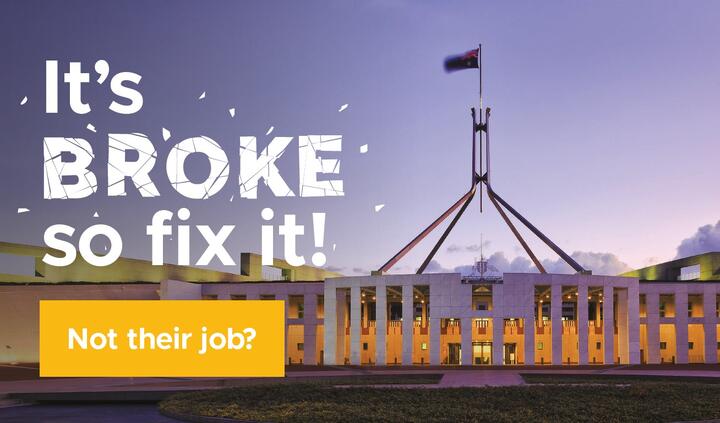
COMING up on four years in office, the Albanese Government has seen the healthcare system deteriorate on its watch. Patients are paying a heavy and mounting toll and healthcare professionals in hospitals are counting the human and financial costs.
It has been 22 months since the Federal Government formed its first ginger group (CEO Roundtable, which morphed into the CEO Forum) to find solutions to the viability crises forcing private hospitals to close entirely while others have shutdown 80 services across the country. Nothing has been done.
It has been 15 months since the Federal Government pledged a six-month timeline for "immediate solutions" to the mental health, maternity and regional hospital crises. That deadline lapsed nine months ago and still there have been no decisions, let alone any action, taken.
It has been 12 months since Federal Health Minister Mark Butler publicly rebuked health insurers' record profits, record management fees and poor payouts, demanding they dramatically increase the benefits ratio to private hospitals within three months he would force them to do so. A year on and, despite publicly conceding insurers are still coming up short, no action has been taken.
"It's time the Albanese Government did what it said it would do," APHA CEO Brett Heffernan said. "Rhetoric must give way to putting out the flames that are reducing Australia's once renowned public-private hospital system to embers.
"It starts with bringing the health insurance industry into line. Record multibillion-dollar profits, the highest management fees ever, and a secret, abuse-riddled contracting regime see insurance companies the sole winners from the chaos caused by government indecisiveness and inertia.
"There are some things governments are directly responsible for. A coherent healthcare system is one of them. It may be the most important community asset a society needs to function cohesively. Australia's once enviable health system is lurching from one crisis to another.
"Private hospital closures and services permanently shut down; public hospital waiting lists, ramping and Emergency Department dysfunction; mental health, maternity and regional health recognised as in long-term crisis; GPs overburdened with mental health patients; and a chronic shortage of psychiatrists in acute mental healthcare; all have the system in decline.
"According to the Australia Prudential Regulation Authority, private hospital volumes have rebounded from COVID-19 and is now higher than what it was pre-pandemic, but the payout ratio from insurers is lower than what it was pre-pandemic. The resultant shortfall in insurer payments to hospitals since 2022 is over $1 billion a year.
"The solutions aren't difficult, but they do require leadership. With 12.6 million Australians holding private hospital insurance and 5.14 million admissions a year in private hospitals (41% of all admissions), the need for insurers to meet their obligations to the hospital network, is critical.
"Minister Butler needs make the insurers pay their way as he vowed a year ago. They appear to have called his bluff. Restoring the benefits ratio to the pre-Covid level of 90% is long overdue.
"A Mandatory Code of Conduct for contracting between insurers and hospitals, with an arbitration model and price transparency overseen by the ACCC, is essential in-tandem with the 90% guarantee to ensure consistency and fair terms across the sector.
"It's not just about insurers. The Minister was urged three years ago to ease the moratorium that prevents overseas-trained psychiatrists already accredited and living in Australia from working in acute private hospitals.
"It would cost government nothing, but free-up psychiatrists to practice where severe-needs mental health patients are falling through the cracks, in turn, easing the burden on GPs and reducing public hospital Emergency Department traffic.
"It is imperative that the Federal Government not wait for a tragedy in healthcare to be a trigger for belated action. The issues and solutions are clear. The Minister has already publicly articulated them. It's time to put that recognition into action."
-ENDS-
Previous Media Centre:
2/3/2026 Systemic underfunding of private hospitals continues