![[APHA]](/images/logo_apha.svg)
A ground-breaking new study is underway in Melbourne to determine if a healthy gut can help patients better fight blood cancer.
Around 40 patients with the blood cancer multiple myeloma are taking part in the research - the first of its kind in the world.
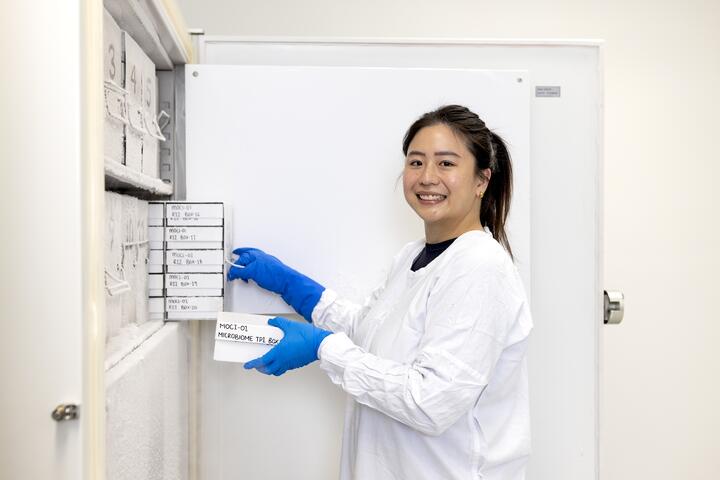
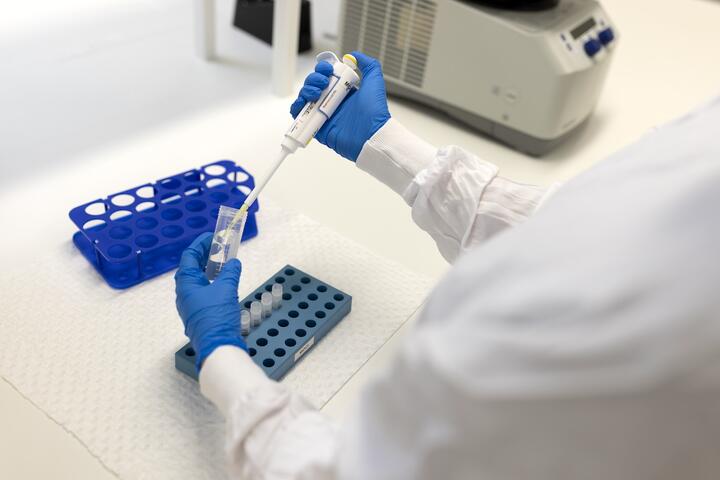
The patients are undergoing autologous stem cell therapy for myeloma at Epworth Freemasons Hospital. The study will monitor their gut microbiome during and after the treatment, by taking stool samples.
It is being conducted by leading investigators from the Epworth Centre for Immunotherapies and Snowdome Laboratories: Associate Professor Costas Yannakou, Dr Nicole Brooks, Dr Sam Fiorenza, Dr Brian Grainger, Olive Hoeper, Isabella O'Keefe, and Charmaine Tan.
The researchers are working in collaboration with Australian microbiome testing company, Microba.
Dr Grainger said the gut had more than one trillion bacteria – known as the microbiome – which were known to have a diverse range of impacts on cancer outcomes.
"In this world-first study, we will look at the gut microbiome over time to determine if its composition may influence treatment success and disease outcomes," he said.
Autologous stem cell transplants involve giving high-dose chemotherapy to eradicate the myeloma cells in the bone marrow and then 'transplanting' back the patient's healthy bone marrow stem cells that have been held in the freezer to repopulate their bone marrow.
This treatment can markedly decrease the risk of relapse and death from the myeloma, but not for all patients.
"One contributor to the variation in outcomes between patients is disruption in their gut microbiome as a result of the chemotherapy and other treatments, known as dysbiosis," Dr Grainger said.
"Unfortunately, this leads to symptoms such as diarrhoea and means significantly lengthened hospital stays and potential long-term complications.
"Currently available diagnostic tests can only identify the cause of the gut microbiome disruption in a small number of cases, which makes treatment difficult."
Read more: Australian-first scanner helps prostate patients
Read more: World-first trial for male contraceptive
Read more: Epworth brings hope to blood cancer patients
Next News And Innovation:
14/4/2026 Robot benefits arrive at short-stay hospital
Previous News And Innovation:
8/4/2026 Robot-assisted 'snakes' reduce patients' scar tissue