![[APHA]](/images/logo_apha.svg)
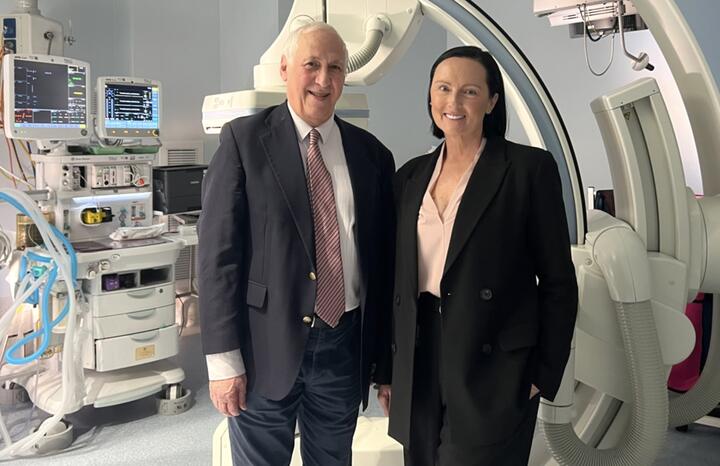
Sydney's North Shore Private Hospital is taking part in a new trial investigating if heart attacks can be stopped before they start.
Researchers from the Ramsay Health Care facility, Royal North Shore Hospital and the University of Sydney are testing a new approach to cardiovascular care that responds to common triggers such as emotional distress, heavy meals and illness using a smartphone app.
The Triggered Acute Risk Prevention (TARP) Study, funded by a $400,000 Ramsay Hospital Research Foundation grant, aims to help people act when risk is highest.
"The study represents an important shift in how heart disease prevention is approached by moving beyond long-term risk management to focus on identifying and responding to immediate triggers that can lead to a heart attack," said Chief Investigator Professor Geoffrey Tofler, a cardiologist at both North Shore hospitals.
Heart disease remains one of the leading causes of death and disability worldwide, despite significant advances in treatment.
Prof Tofler said growing evidence showed that acute triggers including anger, anxiety, vigorous physical exertion, respiratory infections, heavy meals and exposure to pollution could transiently increase the risk of a heart attack.
"While we have made great progress in long-term prevention, we have not previously focused on protecting the heart at the exact time a triggering event occurs," he said.
"The TARP Study is designed to determine whether timely intervention, using simple medications and increased awareness can reduce that immediate risk."
Researchers are seeking eligible participants to take part in the study, which is open to people aged 40 and over who either have existing cardiovascular disease such as a previous heart attack, cardiac surgery or stent procedure or multiple risk factors such as high blood pressure, high cholesterol, diabetes or a family history of heart disease.
Participants will use a smartphone app to record episodes of stress and other triggers, and then be guided to take low-dose, widely-used medications, including aspirin and propranolol, at the time of these events.
Prof Tofler said the study was moving into a critical phase following promising preliminary research.
"This is about giving people the tools and confidence to respond to their own risk in real time," he said.
"If successful, this could change the way we think about preventing heart attacks moving from a long-term, general approach to one that is immediate and responsive." he said.
Participants will be supported throughout the study by a research nurse and will undergo health assessments, including heart monitoring and a blood test.
Ramsay's Westmead Private Hospital is also an option for people taking part.
Read more: 'Extraordinary' $20m gift for new centre
Read more: World-first trial for advanced cancer treatment
Previous Safety And Quality:
30/6/2026 Trial success 'a lifeline' for Hodgkin lymphoma patients