![[APHA]](/images/logo_apha.svg)
Ramsay Health Care hopes its major investment in robot technology will not only improve patient outcomes across its network of private hospitals but also make Australia's health system more sustainable.
The group has bought 12 new Stryker Mako machines – one of Australia's largest single purchases of robotic surgical systems – which it will roll out at its sites across the country in the first months of 2026.
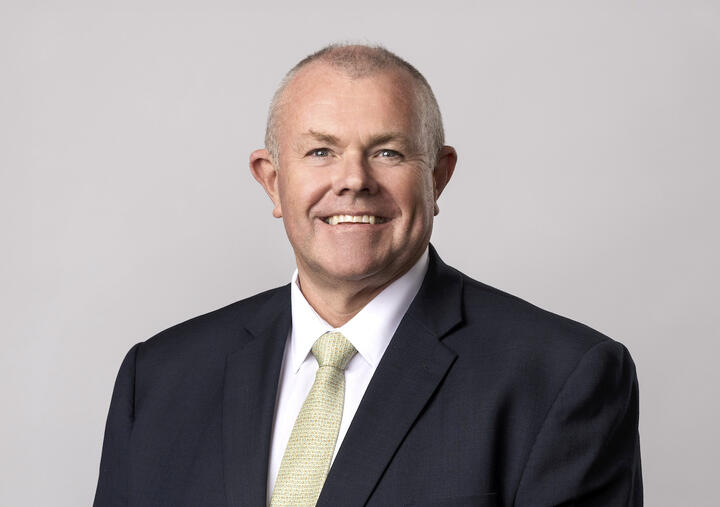
"This investment means more patients, in more communities, will benefit from world-class surgical technology designed to support more personalised care, improved accuracy, and faster recovery times," said Ramsay's Chief Operating Officer, Stuart Winters.
"Robotic-assisted surgery allows our surgeons and clinical teams the potential to modernise the way joint replacement surgery is delivered and create enduring value for the communities we serve."
Mr Winters said robotic systems such as Mako helped surgeons create better outcomes for patients – including shorter hospital stays and fewer complications after procedures – which could boost capacity across theatres and wards, and cut wider waiting lists.
"As our population continues to age and demand for joint replacement continues to grow, we're making sure our hospitals, clinicians and systems are ready," he added.
The Stryker Mako system is established as one of the most advanced robotic-assisted platforms for hip and knee replacement surgery, and new updates will extend its use to shoulder procedures.
Ramsay Health Care, Australia's largest private hospitals operator, will install the technology at sites across New South Wales, Queensland, Western Australia and Victoria.
"Ramsay's scale allows us to invest in technology that lifts performance across the entire network," Mr Winters said.
"The introduction of the additional Mako robots strengthens Ramsay's national robotic surgery program, which already supports thousands of joint replacement procedures each year."
Mr Winters said Ramsay's investment in robotic technology fitted with broader goals to modernise models of care, digital pathways, clinical training, and sustainability initiatives across its Australian network of more than 70 hospitals, clinics and surgical centres.
"When we invest in innovation, we're investing in our clinicians, our communities and the future of healthcare," he said.
"People caring for people is at the heart of our work."
Read more: Robot revolution for WA shoulder surgery
Read more: New 'X factor' robot solution for back pain
Next News And Innovation:
24/2/2026 International recognition for Icon specialists
Previous News And Innovation:
27/1/2026 New arrival enhances diagnosis for Victorian patients